For decades, supply chains have been driven by one overriding objective: reducing cost.
Procurement teams have negotiated harder, inventory has been reduced, suppliers consolidated and logistics providers challenged to deliver more for less.
It worked. Until it didn’t.
Over the last few years the food industry has experienced unprecedented disruption. Global pandemics. Driver shortages. Energy price volatility. Inflation. Labour shortages. Port delays. Geopolitical uncertainty.
Every one of these events exposed the same uncomfortable truth. Supply chains designed purely around efficiency often lack resilience. Today, many of the UK’s leading food manufacturers are beginning to ask a different question. Not:
“How can we make our supply chain cheaper?”
But:
“How can we make it stronger?”
The Cost Nobody Budgets For
Disruption rarely appears on a procurement spreadsheet. But every Supply Chain Director understands its impact. Production stops because an ingredient hasn’t arrived. Orders cannot be fulfilled because inventory isn’t where the system says it should be. Customer service teams spend hours chasing deliveries.
Finance teams carry excess stock “just in case.” These costs are rarely attributed to logistics. Yet collectively they can dwarf any saving made through selecting the lowest-cost provider.
Resilience Is Built Long Before Problems Occur
One of the biggest misconceptions within logistics is that resilience begins when something goes wrong.
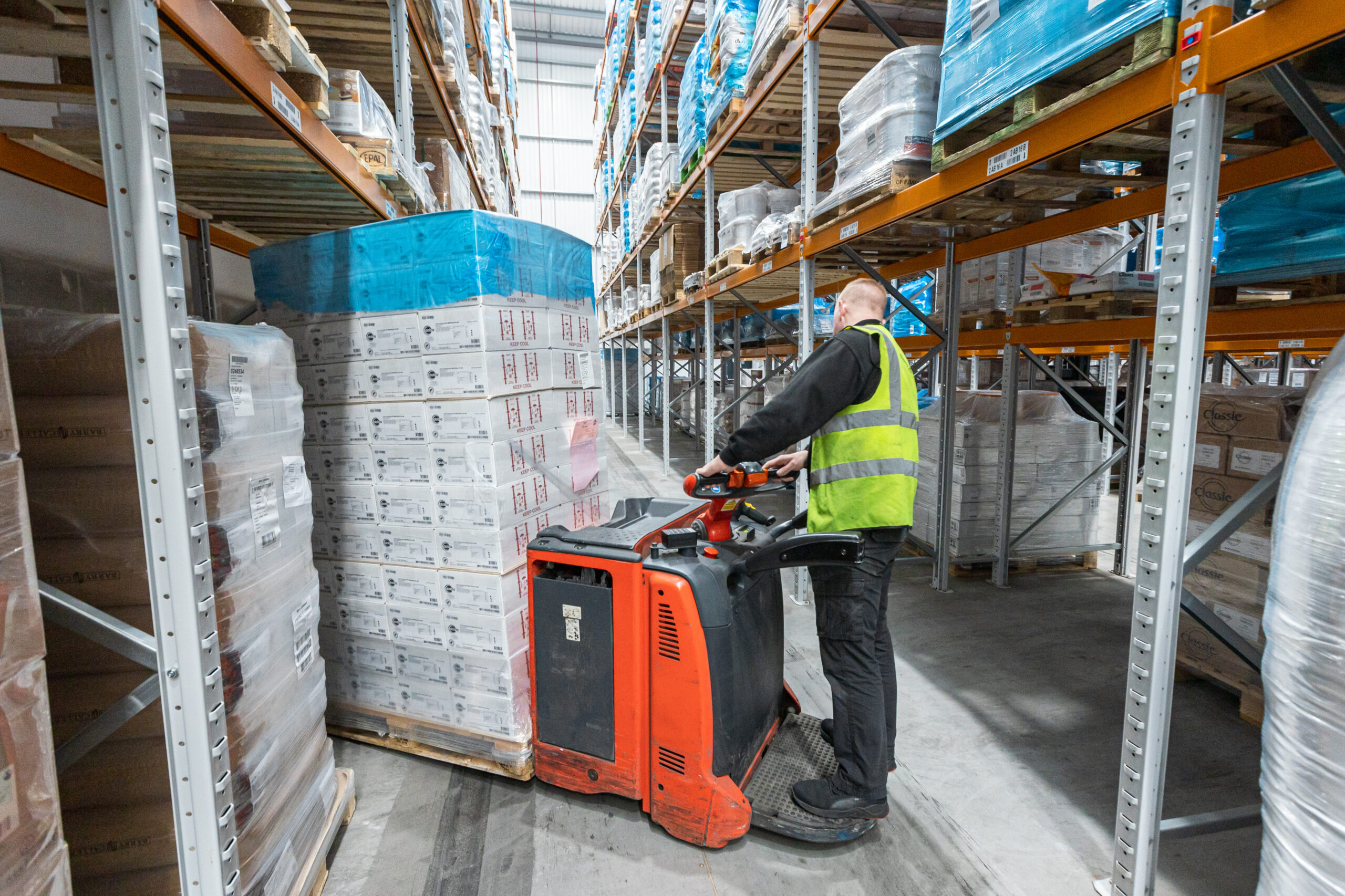
In reality, resilience is created months beforehand through investment in systems, processes and partnerships. Businesses with accurate inventory, complete visibility and reliable warehousing recover far faster when disruption inevitably occurs. Those without it often spend valuable time trying to establish what has happened before they can even begin solving the problem.
“The best logistics operations aren’t judged by how they perform when everything goes to plan. They’re judged by how quickly they recover when it doesn’t.” – Mike Phillips, Managing Director, Ralph Davies International Ltd
Visibility Creates Confidence
Visibility is no longer simply about knowing where a delivery vehicle is.
It means understanding:
- Inventory levels
- Product availability
- Order status
- Customer demand
- Capacity
- Risk
When this information is available in real time, better decisions follow.
When it isn’t, businesses compensate by holding more stock, increasing costs and introducing unnecessary complexity.
Choosing Partners, Not Suppliers
Perhaps the biggest change taking place across food manufacturing is the relationship between manufacturers and their logistics providers.
Increasingly, businesses are looking beyond transport. They want partners who understand food.
- Partners who understand compliance.
- Partners who can challenge assumptions.
- Partners who help improve operational performance.
Warehousing is no longer somewhere products wait. It has become a source of operational intelligence.
The Procurement Conversation Is Changing
Price will always matter. It should. But procurement professionals are increasingly considering a wider range of factors when selecting logistics partners.
- Can they demonstrate traceability?
- Can they provide meaningful management information?
- Can they improve working capital?
- Can they respond quickly when demand changes?
- Can they support future growth?
Increasingly, these questions determine value more than simply comparing pallet rates. Looking Ahead
The food industry isn’t becoming less complex. If anything, supply chains will become even more dynamic over the coming years. Businesses that invest in resilience today will be better placed to respond to whatever tomorrow brings.
At Ralph Davies International Ltd, we’ve always believed that successful logistics is about far more than moving or storing products. It’s about giving customers confidence. Confidence that their stock is accurate. Confidence that their products are protected. Confidence that when challenges arise, they have a partner who understands their business and is ready to respond. Because ultimately, resilience isn’t built during a crisis. It’s built every single day before one ever happens.