Your logistics arrangement could be better.
You know it. Your team knows it. But with production schedules to protect, customer orders to fulfil and ingredients to account for, changing it can feel like another problem to manage.
So the review gets pushed back.
Another contract is renewed. Another workaround becomes routine. And the team carries on making the current arrangement work.
For food ingredient manufacturers and suppliers, that hesitation is understandable. Moving stock between providers involves much more than booking a collection. It means protecting batch information, stock accuracy, product requirements and continuity of supply throughout the change.
That is why the handover deserves just as much attention as the proposed service.
What is keeping you with your current provider?
There are good reasons to maintain a logistics relationship: reliable service, clear communication, accurate information and confidence in the people handling your products.
But familiarity can also hide problems.
Perhaps your team regularly checks stock figures manually before confirming an order. Perhaps delivery updates require several phone calls. Or perhaps the business has grown, while its warehousing and transport arrangements have remained largely unchanged.
People find ways around these issues. Over time, those workarounds become part of the job.
Before reviewing alternative providers, it is worth asking a simple question:
If we were designing our supply chain today, would we choose the arrangement we currently have?
The answer gives you a useful starting point.
Define what needs to improve
“Better service” is difficult to measure. A clear operational requirement is much more useful.
That might mean being able to check available stock without emailing the warehouse. It could mean receiving delivery information early enough to adjust a production schedule. Or it may mean having clear responsibility when a problem crosses the boundary between storage and transport.
Agreeing these priorities internally helps procurement, finance, quality and operations assess the same things.
It also gives a prospective logistics partner something meaningful to respond to.
A competitive quotation matters. So does understanding how the proposed service will work on an ordinary Tuesday morning when your team needs an answer.
Put stock information at the centre of the move
A successful transition depends on the information moving with the ingredients.
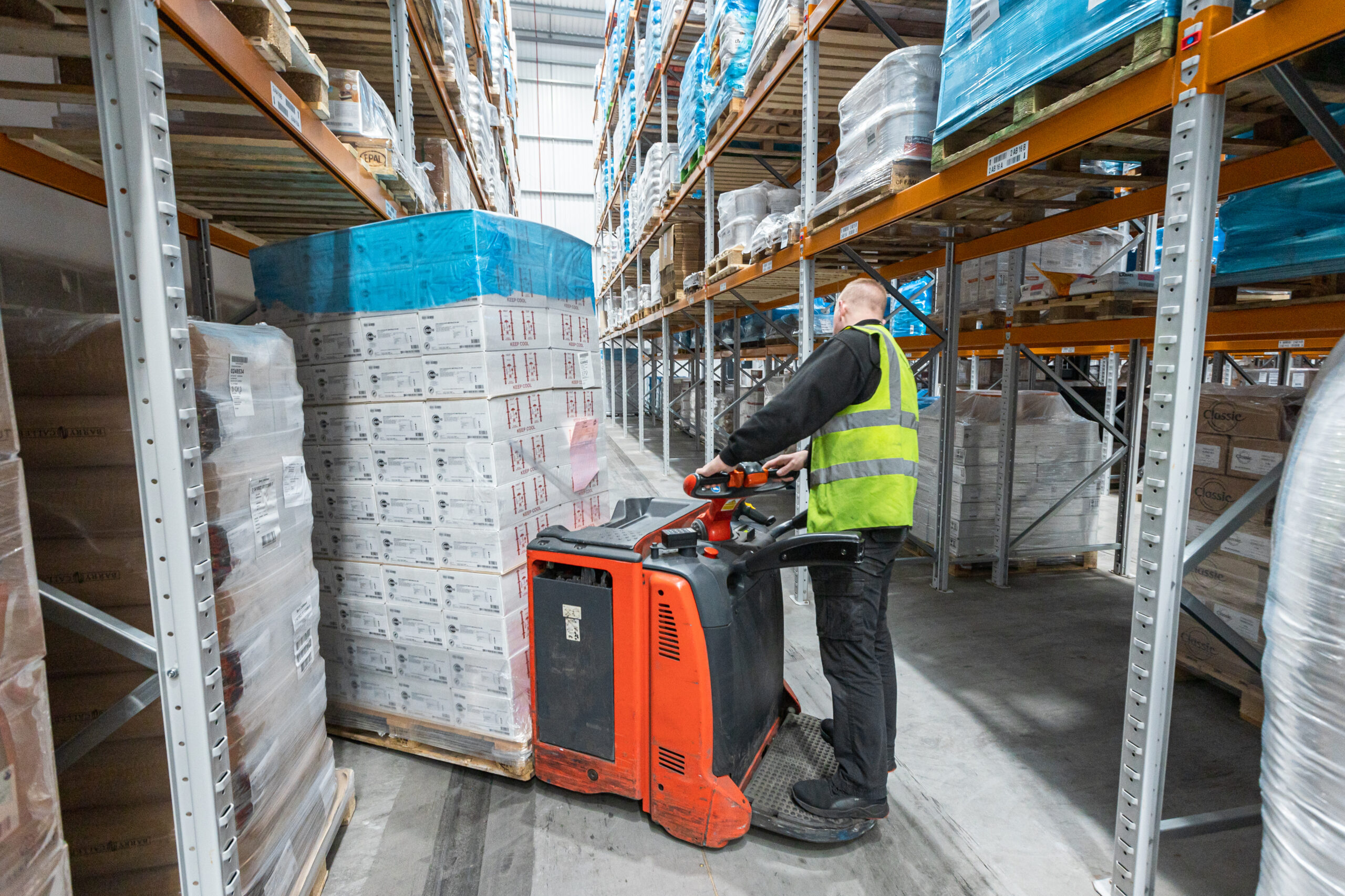
Product codes, pallet quantities, batch references, date information and stock status all need to be understood and reconciled. Where relevant, storage conditions, allergen controls, segregation and customer requirements need to be agreed too.
Consider an ingredient that arrives at a new warehouse physically intact and on time, but with a batch reference that does not match the receiving system.
The pallet has moved. The work has not finished.
Someone now needs to investigate the discrepancy before the stock can be used with confidence.
Agreeing data requirements and checking sample records before the first movement can help identify these issues while there is still time to resolve them.
Ask how continuity will be protected
There is no single transition plan that suits every food supply chain.
For some businesses, a phased transfer may be appropriate. Others may need a defined changeover window, planned around production, inbound shipments and customer commitments.
The important point is to make those decisions deliberately.
Before a move begins, both parties should understand:
- Which stock will move first, and why.
- How orders will be fulfilled during the transition.
- When stock records will be checked and reconciled.
- Who can authorise stock release and resolve discrepancies.
- What happens if a delivery, data transfer or system connection is delayed.
Clear responsibilities matter as much as the timetable. Your team should know who is coordinating the move, who is making decisions and how updates will be shared.

Test the service your team will actually use
A presentation can explain a system. A practical demonstration shows whether it will answer your questions.
Ask a prospective provider to walk through a typical order, a stock enquiry and an exception.
How would your team find a particular batch? How would they see the status of an order? What happens when a quantity does not match expectations?
Where systems need to exchange information, agree what must be tested before launch and what a successful result looks like.
These conversations also reveal how well a provider understands your operation. The questions they ask can be as valuable as the answers they give.
Use the review to improve the whole arrangement
Changing providers creates an opportunity to reconsider how ingredients move through your business.
Are there unnecessary transfers between sites? Does the warehouse location suit your delivery network? Would closer coordination between warehousing and transport make planning easier?
Consolidation can be useful where it removes avoidable handling, duplicated administration or unclear responsibility. Its value depends on how well the arrangement fits your products, customers and production requirements.
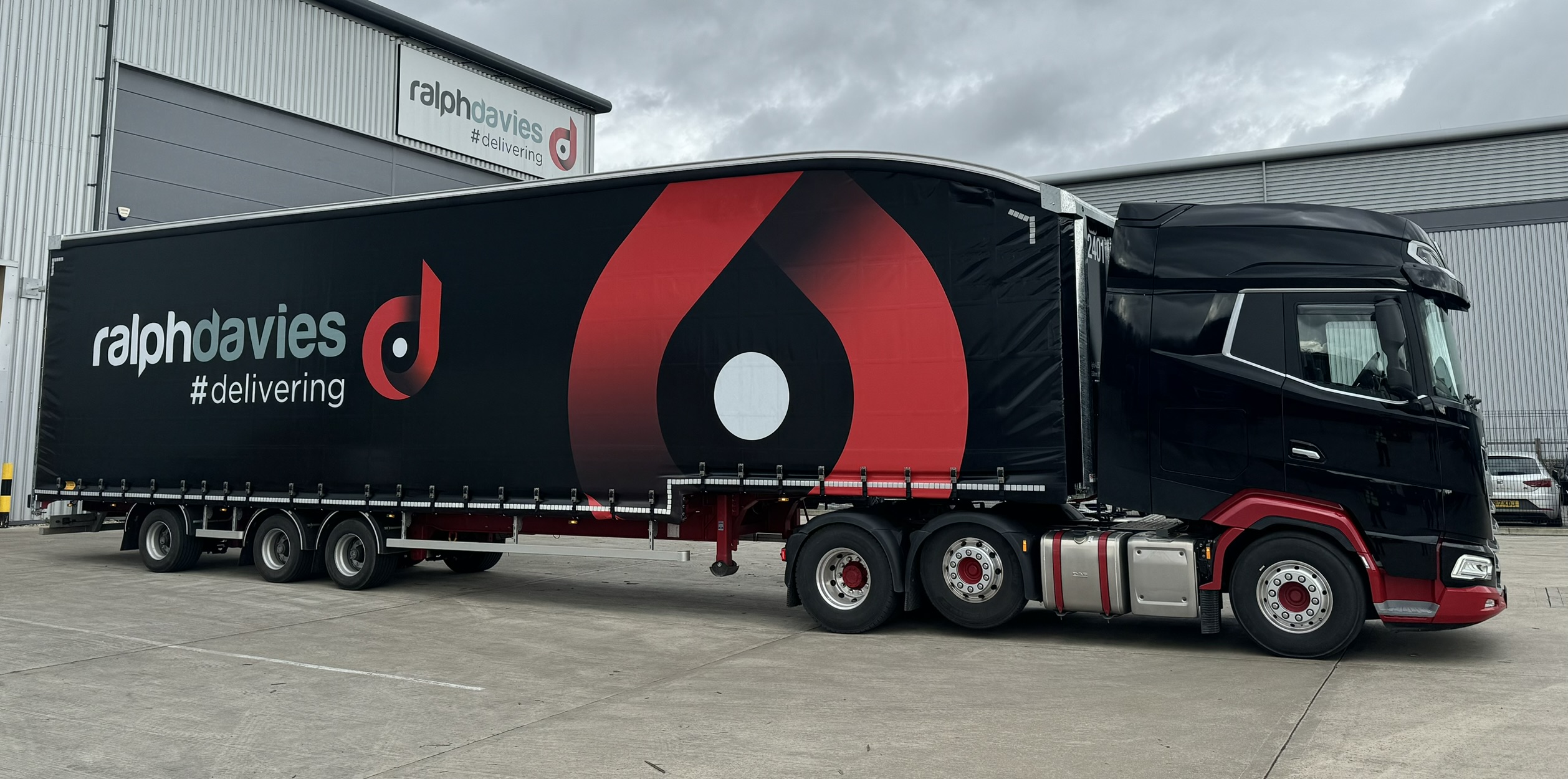
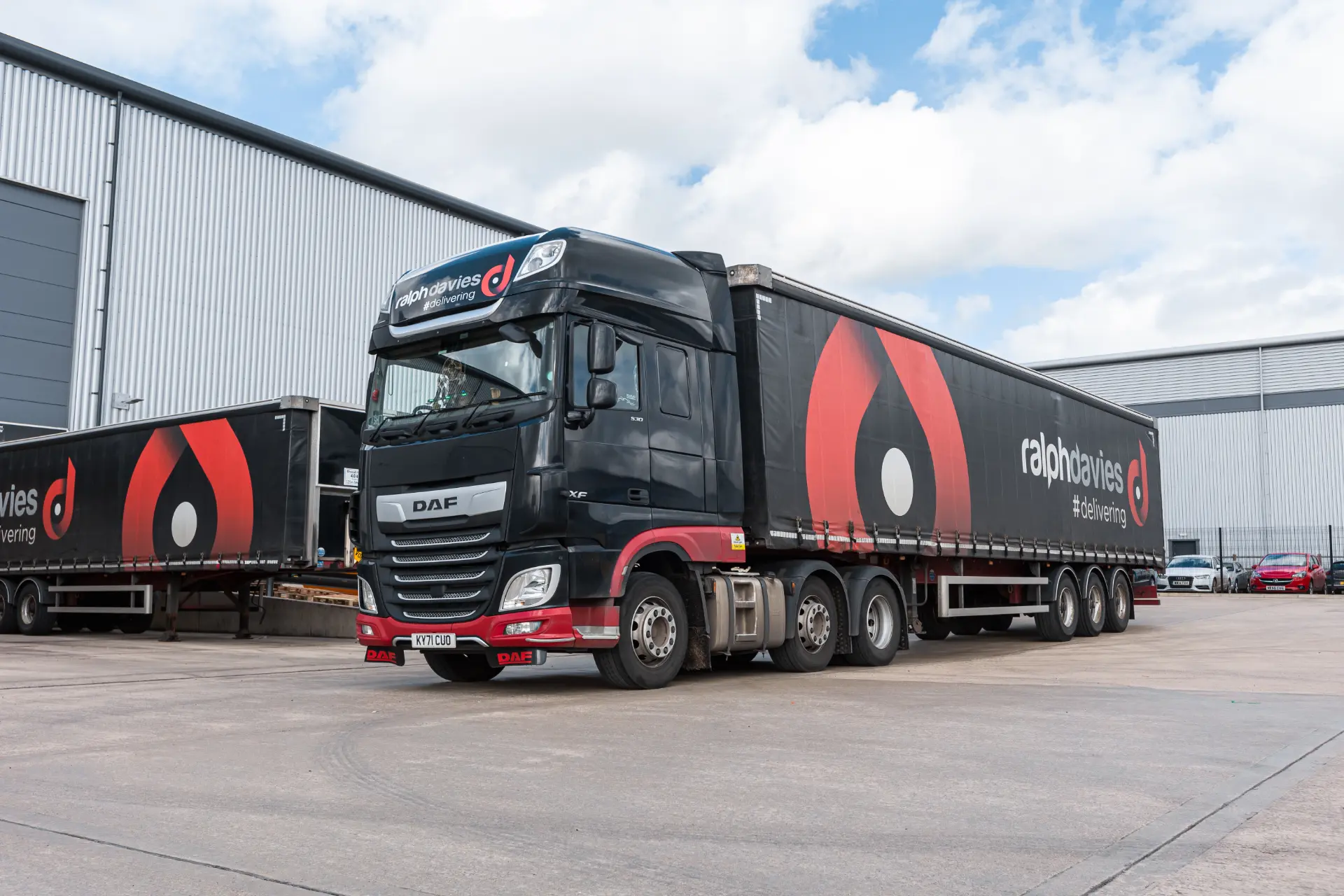
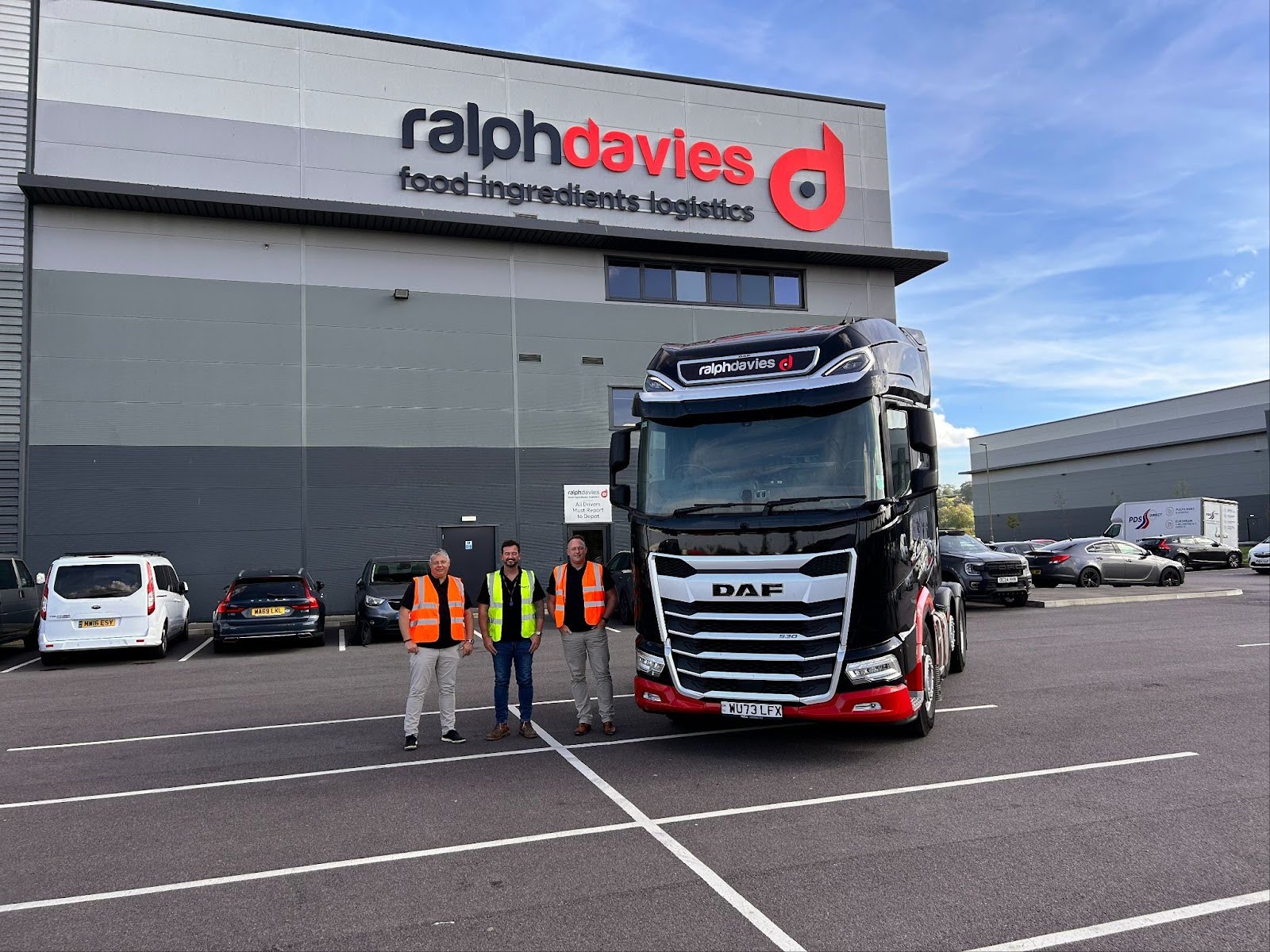
At Ralph Davies, we specialise in food ingredient warehousing and transport, with our Banbury operation bringing these services together. Understanding the customer’s requirements is central to designing a service that fits.
Confidence starts before the first pallet moves
A logistics review does not commit you to changing providers. It helps you understand whether your current arrangement still serves the business well.
And if a change is needed, a credible proposal should explain how you get from today’s operation to the proposed one.
That means agreed information, clear responsibilities, practical checks and a plan for keeping orders moving.
Thinking about reviewing your food ingredient warehousing or transport? Speak to the Ralph Davies team about your current arrangements, the improvements you need and what a potential transition would involve.